
Dr. Rivian Lewin

Education
Postdoctoral Fellowship - McLean Hospital/Harvard Medical School, Laura Ferrer & Associates
Predoctoral Internship - McLean Hospital/Harvard Medical School
PhD in Clinical Psychology - The University of Memphis
Master of Psychology -The University of Memphis
BS in Psychology - The University of Arizona
Current Affiliations
Licensed Clinical Psychologist - Massachusetts
Licensed Clinical Psychologist - Illinois
Assistant Psychologist - McLean Hospital/Harvard Medical School
Dr. Lewin is the founder of Thrive Clinical Psychology, providing personalized therapy to clients while leading the team to ensure every therapy experience is accessible, thoughtful, and effective.
Professional Memberships
1. Association for Contextual Behavior Science: https://contextualscience.org/civicrm/profile/view?reset=1&id=148800&gid=17
2. American Psychological Association: https://www.apa.org/
Select Publications
Moscardini, E. H., Hudson, C. C., Kumar, D., Lewin, R., McDermott, T. J., Giangrande, E. J., Shea, L. M., Tretyak, V., Beard, C., & Björgvinsson, T. (2024). Latent trajectories of depressive symptoms during a transdiagnostic partial hospitalization program. Behavior Therapy, https://doi.org/10.1016/j.beth.2024.05.008
Lewin, R. K., Acuff, S. F., Berlin, K. S., Berman, J. S., & Murrell, A. R. (2021). Group-based acceptance and commitment therapy to enhance graduate student psychological flexibility: Treatment development and preliminary implementation evaluation. Journal of American College Health, 1– 10. https://doi.org/10.1080/07448481.2021.1881522
Therapist Bio
Dr. Lewin’s Approach and Clinical Specialties
I am a Harvard-trained psychologist helping high-achieving individuals and couples overcome anxiety, OCD, perfectionism, and relationship challenges. I work with people who function exceptionally well in certain areas—often professionally—while quietly struggling in others, such as relationships, self-worth, or emotional well-being. Many of my clients have a deep need to excel and maintain control, which can evolve into rigid patterns of thinking, behavior, and self-criticism. My approach helps clients integrate their strengths with greater psychological flexibility, balance, and openness—both within themselves and in their relationships.
I have extensive experience in individually tailored, evidence-based approaches—including Acceptance and Commitment, Exposure, Emotionally Focused Therapy, and Sensate Focus sex therapy for couples. I focus on practically helping individuals and couples move through barriers that keep them from living the life—and building the relationships—they truly want.
You may benefit from therapy with me if you often feel like you're in a battle with your own thoughts and emotions, or if much of your energy is lost to shame, overwhelm, or self-criticism. I also work with couples who long to feel more emotionally or physically close but find themselves stuck in cycles of distance, avoidance, frustration, or disconnection.
Dr. Samuel Acuff

Education
Postdoctoral Fellowship - Massachussetts General Hospital/Harvard Medical School
Predoctoral Internship - Alpert Medical School at Brown University
PhD in Clinical Psychology - The University of Memphis
Master of Psychology -The University of Memphis
BS in Psychology - Harding University
Current Affiliations
Licensed Clinical Psychologist - Massachusetts
Research Scientist - Massachusetts General Hospital/Harvard Medical School
Dr. Acuff is a clinical psychologist and research scientist.
Professional Activities
Dr. Acuff is the founder of the Addiction Psychologist Podcast, a podcast designed to make research, policy, and clinical addiction-related topics widely accessible. https://creators.spotify.com/pod/profile/addiction-psychologist
Select Publications
Acuff, S. F., MacKillop, J., & Murphy, J. G. (2023). A contextualized reinforcer pathology approach to addiction. Nature reviews psychology, 2(5), 309–323. https://doi.org/10.1038/s44159-023-00167-y
Strickland, J. C., Acuff, S. F. (2023). Role of Social Context in Addiction Etiology and Recovery. Pharmacology, Biochemistry, and Behavior, 229, 173603. https://doi.org/10.1016/j.pbb.2023.173603
Dr. Acuff’s Approach & Clinical Specialties
I work with individuals and couples struggling and seeking relief. In an effort to control suffering, it is common to overwork, overthink, avoid/withdraw, or use substances (e.g., alcohol, cannabis, methamphetamine). When the pain becomes overwhelming or strategies no longer seem to be working, I help clients view themselves with compassion, connect with who they want to be, and work toward making changes to realign with their values. Primarily through the lens of cognitive behavioral and acceptance and commitment therapies, I specialize in treating addiction, anxiety, depression, PTSD, and couples and relational dynamics.
I have extensive experience with providing individually and flexibly tailored evidence-based approaches (e.g., Acceptance and Commitment Therapy, Exposure Therapies, Emotion Focused Therapy). I hold a non-judgmental and curious stance and focus on practically helping clients move through the barriers that keep them from living the life they wish.
I work with my clients to come to a place of compassionate understanding of themselves and their patterns, and then find ways to move toward active growth.
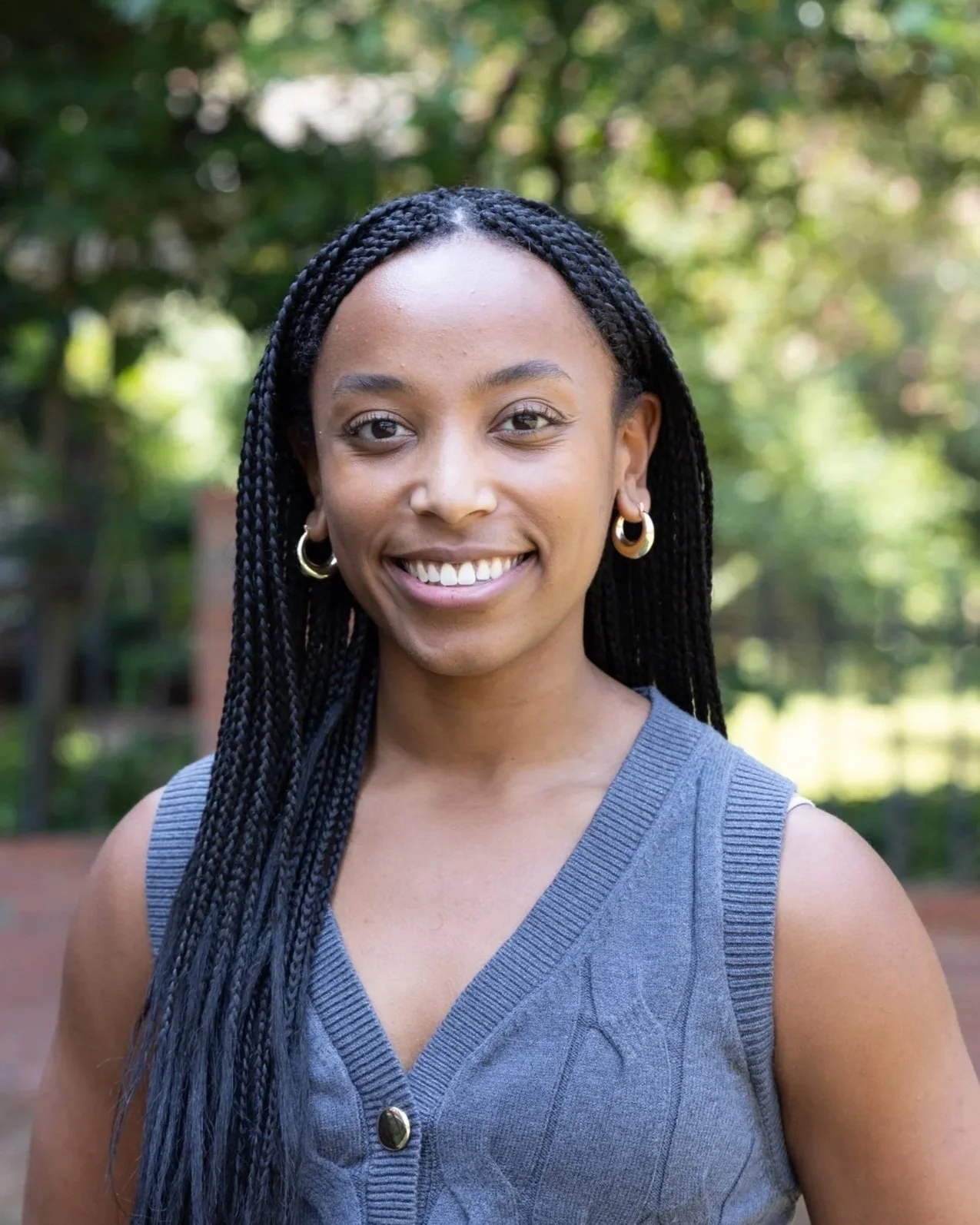
Dr. Carrington Merritt
Education
Postdoctoral Fellowship - Thrive Clinical Psychology & McLean Hospital/Harvard Medical School
Predoctoral Internship - McLean Hospital/Harvard Medical School
PhD in Clinical & Social Psychology - The University of North Carolina at Chapel Hill
MA in Psychology -The University of North Carolina at Chapel Hill
BA in Psychology - The University of North Carolina at Chapel Hill
Current Affiliations
Clinical Fellow – McLean Hospital Trauma Continuum
Research Fellow – McLean Hospital/Department of Psychiatry, Harvard Medical School
Dr. Merritt is a postdoctoral fellow at Thrive Clinical Psychology and McLean Hospital/Harvard Medical School.
She is a trauma treatment and research specialist.
Dr. Merritt’s Approach & Clinical Specialties
I am post-doctoral level fellow working under the supervision of Dr. Lewin. I have extensive training in evidence-based treatments for trauma-related disorders, including PTSD, and I work with adults experiencing anxiety, trauma, depression, relational difficulties, life transitions, and challenges related to identity and self-worth. I employ Acceptance and Commitment Therapy (ACT), along with other cognitive behavioral therapies to help individuals build a different relationship with difficult experiences so they take up less space in their lives and have less power over the choices they make. I also incorporate principles from Compassion Focused Therapy to help clients who struggle with shame, harsh self-judgment, and feeling "not good enough."
I am particularly interested in the ways our identities and broader social environments shape our emotional and physical well-being. Whether you are navigating identity-related stressors, recovering from other difficult life experiences or traumatic events, or feeling disconnected from the person you want to be, therapy can offer an opportunity to better understand your patterns while developing new ways of responding to them.
I strive to create a therapeutic space that is warm, collaborative, and genuine. Together, I work with clients to understand what has led to this moment, clarify what matters most, and take meaningful steps toward building a life that feels fuller, richer, and more aligned with values.
Select Publications
Merritt, C. C., & Muscatell, K. A. (2024). Discrimination and cardiovascular health in black Americans: exploring inflammation as a mechanism and perceived control as a protective factor. Biopsychosocial Science and Medicine, 86(3), 181-191.
Merritt, C. C., MacCormack, J. K., Stein, A. G., Lindquist, K. A., & Muscatell, K. A. (2021). The neural underpinnings of intergroup social cognition: an fMRI meta-analysis. Social Cognitive and Affective Neuroscience, 16(9), 903-914.